
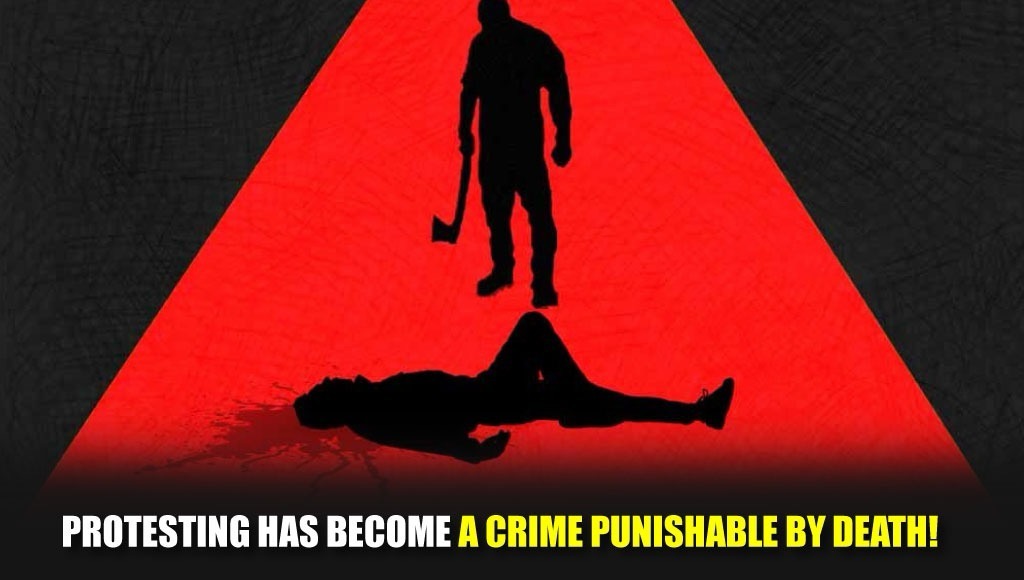
Enamul Hossain of Jessore was killed because he dared to protest. He spoke out against a group of youths who had allegedly been harassing his granddaughter. The following night, they reportedly returned as a group and attacked him with sharp weapons. He died before reaching the hospital.
This was not an isolated incident.
From 2001 to 2006, during the BNP-Jamaat government’s tenure, Bangladesh witnessed widespread incidents of violence against women and lawlessness—an era that researchers and observers still cite in discussions about public security and political patronage. Critics argue that local troublemakers often operated under the protection of influential political figures, while those who protested frequently faced intimidation, violence, or legal harassment themselves.
Now, in 2026, the same political alliance is once again at the center of national debate. Jamaat, whose former top leaders were convicted by the International Crimes Tribunal for crimes related to the 1971 Liberation War, remains active in politics. BNP, which critics argue emerged through military-backed politics rather than a purely democratic process, continues to present itself as a champion of democracy.
Enamul Hossain’s blood will eventually dry. Perhaps no justice will come. Perhaps the accused—Rabbi, Robiul, and Hossain—will never be held accountable. But who will answer for the political culture that turns an ordinary citizen’s protest into a death sentence?
That is the question Bangladesh must confront.